
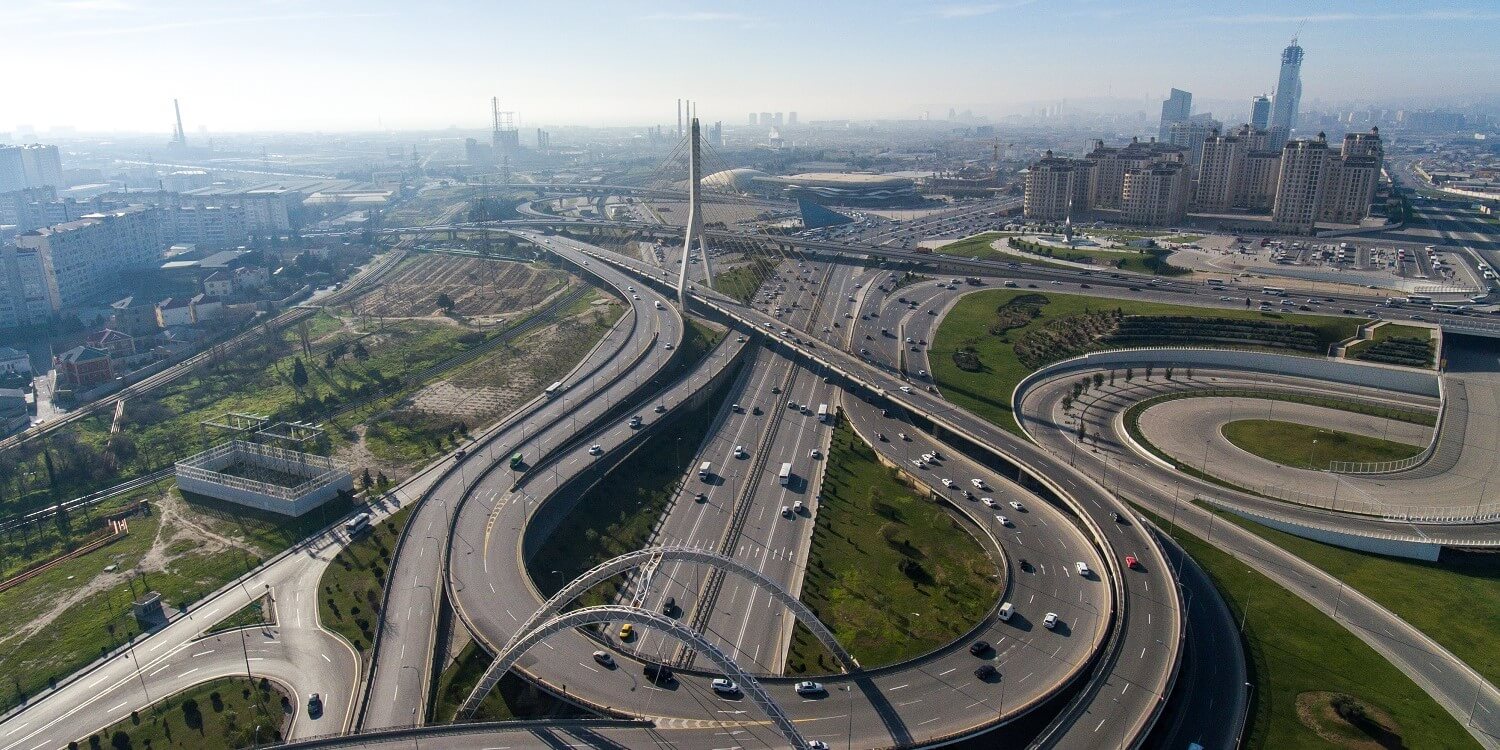
Infrastructure serves as the backbone of modern society, facilitating economic growth, social development, and quality of life. From transportation networks and utilities to communication systems and public facilities, infrastructure plays a pivotal role in connecting communities, fostering trade, and enhancing productivity. In this comprehensive exploration, we delve into the multifaceted world of infrastructure, examining its historical evolution, critical components, current challenges, and future prospects.
- Historical Evolution of Infrastructure:
- Ancient Civilizations: The roots of infrastructure can be traced back to ancient civilizations such as Mesopotamia, Egypt, and Indus Valley, where early societies developed rudimentary systems for irrigation, transportation, and defense.
- Roman Empire: The Romans are renowned for their advanced infrastructure, including roads, aqueducts, and public buildings, which facilitated trade, administration, and urbanization across their vast empire.
- Medieval and Renaissance Period: The Middle Ages witnessed the decline of infrastructure as the Roman Empire fell, giving way to decentralized feudal societies. However, the Renaissance saw a resurgence of infrastructure development, with advancements in architecture, engineering, and urban planning.
- Industrial Revolution: The 18th and 19th centuries marked a transformative period in infrastructure development, fueled by technological innovations such as steam power, mechanization, and mass production, leading to the construction of railways, canals, and telegraph networks.
- Key Components of Infrastructure:
- Transportation: Transportation infrastructure encompasses roads, railways, airports, ports, and transit systems, facilitating the movement of goods, people, and services within and between regions.
- Utilities: Utility infrastructure includes water supply, wastewater treatment, electricity generation, and telecommunications networks, providing essential services for residential, commercial, and industrial activities.
- Energy: Energy infrastructure comprises power plants, transmission lines, pipelines, and storage facilities, ensuring reliable access to electricity, natural gas, and other forms of energy for society’s needs.
- Public Facilities: Public infrastructure encompasses schools, hospitals, parks, libraries, and government buildings, supporting education, healthcare, recreation, and governance.
- Challenges Facing Infrastructure Development:
- Aging Infrastructure: Many countries grapple with aging infrastructure systems that are outdated, deteriorating, and insufficient to meet growing demands. Addressing deferred maintenance and modernizing existing infrastructure pose significant challenges.
- Funding and Financing: Infrastructure projects require substantial investments in planning, design, construction, and maintenance. However, securing adequate funding and financing remains a perennial challenge, especially in developing countries and regions with constrained budgets.
- Sustainability and Resilience: Climate change, population growth, and urbanization pose threats to infrastructure resilience and sustainability. Mitigating risks from natural disasters, enhancing energy efficiency, and reducing environmental impacts are pressing concerns for infrastructure planners and policymakers.
- Technological Disruption: Rapid technological advancements, including digitalization, automation, and renewable energy, are reshaping the infrastructure landscape. Embracing innovation while addressing workforce displacement and equity issues presents complex challenges for infrastructure stakeholders.
- Innovations and Emerging Trends in Infrastructure:
- Smart Infrastructure: The integration of digital technologies, sensors, and data analytics is transforming infrastructure into smart, connected systems capable of real-time monitoring, optimization, and predictive maintenance.
- Sustainable Design and Construction: Sustainable infrastructure practices, including green building, renewable energy integration, and climate-resilient design, are becoming mainstream considerations to minimize environmental footprint and enhance long-term viability.
- Public-Private Partnerships (PPPs): PPPs are increasingly utilized to leverage private sector expertise, capital, and efficiency in delivering infrastructure projects while sharing risks and responsibilities with the public sector.
- Resilient Infrastructure: Resilience planning and infrastructure adaptation measures are gaining prominence to enhance the capacity of infrastructure systems to withstand and recover from shocks and stresses, including natural disasters, cyber-attacks, and pandemics.
- Future Prospects and Policy Implications:
- Infrastructure Investment: Increased infrastructure investment is essential to address the backlog of maintenance, modernize aging systems, and build resilient, sustainable infrastructure for future generations. Governments, multilateral institutions, and private investors must collaborate to mobilize funding and finance for infrastructure development.
- Policy Reform: Policy reforms are needed to streamline regulatory processes, incentivize private sector participation, and promote innovation in infrastructure delivery. Transparent governance, risk management frameworks, and stakeholder engagement are critical for successful infrastructure development.
- Climate Adaptation and Mitigation: Infrastructure planning and investment must prioritize climate adaptation and mitigation measures to reduce vulnerability to extreme weather events, minimize greenhouse gas emissions, and transition to low-carbon, resilient infrastructure systems.
- Equity and Inclusion: Infrastructure development should be inclusive and equitable, addressing the needs of underserved communities, promoting social inclusion, and ensuring access to essential services for all segments of society.
Conclusion:
Infrastructure development lies at the heart of sustainable development and economic prosperity. As we confront the challenges of the 21st century, including climate change, urbanization, and technological disruption, the importance of resilient, sustainable infrastructure becomes increasingly evident. By leveraging innovation, fostering collaboration, and prioritizing long-term planning, we have the opportunity to build infrastructure systems that enhance quality of life, promote economic growth, and leave a positive legacy for future generations. As we embark on this journey, let us embrace the transformative power of infrastructure to shape a more prosperous, resilient, and equitable world for all.