
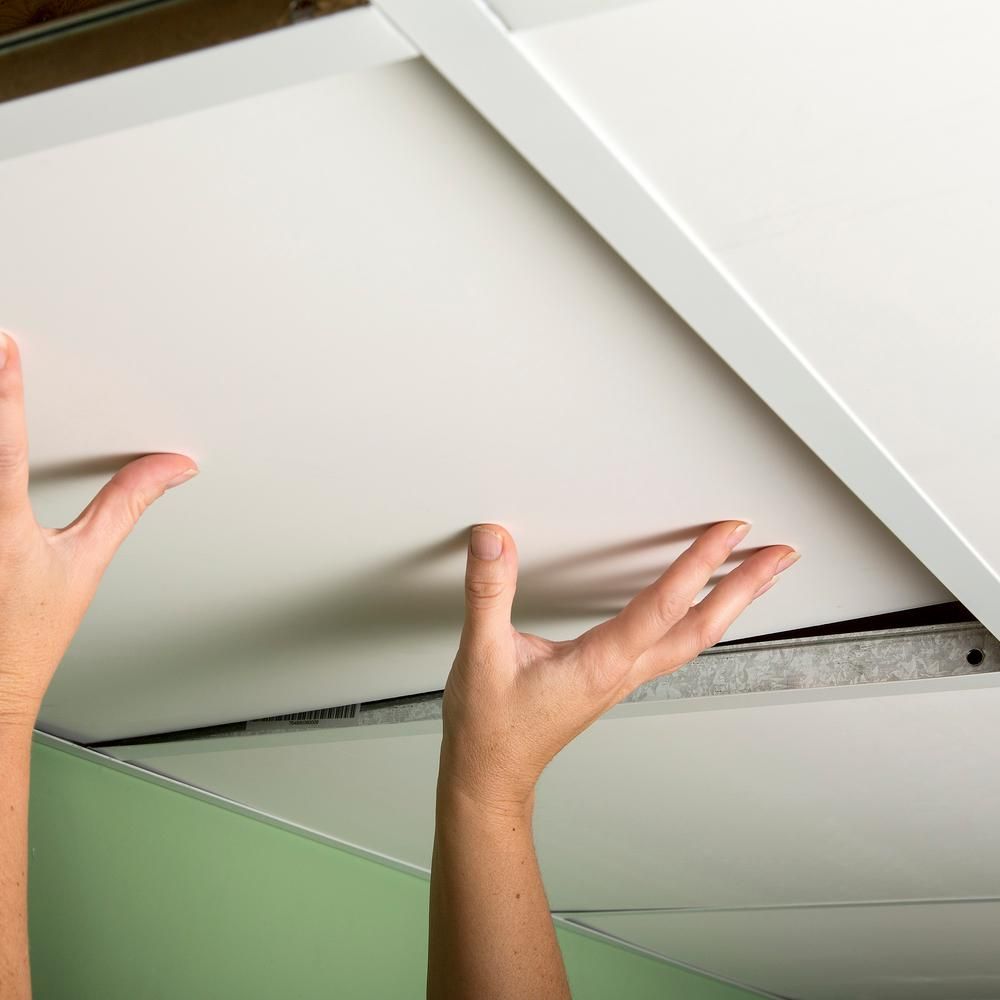
If your Project has high ceilings, you might be unsure of what to do with them. After all, not many options work well with high ceilings. However, if you are considering using gypsum ceiling tiles to add style and character to your home’s ceilings, then you will want to read this article. If you install gypsum ceiling tiles in one or more of the rooms in your house, it will add visual appeal and character to that space. You can select from several different types of designs when choosing these tiles for your home. Let’s take a look at some of the benefits of adding gypsum ceiling tiles to your home. A few benefits of installing gypsum ceiling tiles are mentioned below:
Installation Simplicity
For a number of reasons, installing gypsum board building systems is simple. First, gypsum board panels are relatively large compared to other materials. Since they are available in sheets 4 feet wide and lengths of 8, 10, or 12 feet, they quickly cover large wall and ceiling regions. Gypsum board assemblies must be constructed using a variety of tools. Gypsum board can be cut with a utility knife or a variety of saws, and a variety of fasteners, including gypsum screws, can be used to attach it to wood or galvanized metal.
Fire Resistant
The superior building material for fire resistance is gypsum board. The interior finish is most frequently utilized in KSA when necessary for fire resistance classifications. As previously mentioned, its noncombustible core contains about 21% chemically mixed water, which slowly releases as steam when heated to a high temperature. Steam efficiently slows the transfer of heat and fire propagation because it will not heat up to 212 degrees F when exposed to normal air pressure. The Gypsum board continues to act as a heat-insulating barrier even after complete calcination when all the water has been extracted from its core.
Sound Insulation
It’s crucial to avoid the transmission of unwanted sound to nearby areas while designing a building, especially when considering the everyday activities of the people in the different parts of the building. In contrast to a structure with just office spaces, a building with office spaces next to industrial units typically requires extra noise-reducing components. Gypsum board ceiling and wall systems significantly lessen sound transmission.