
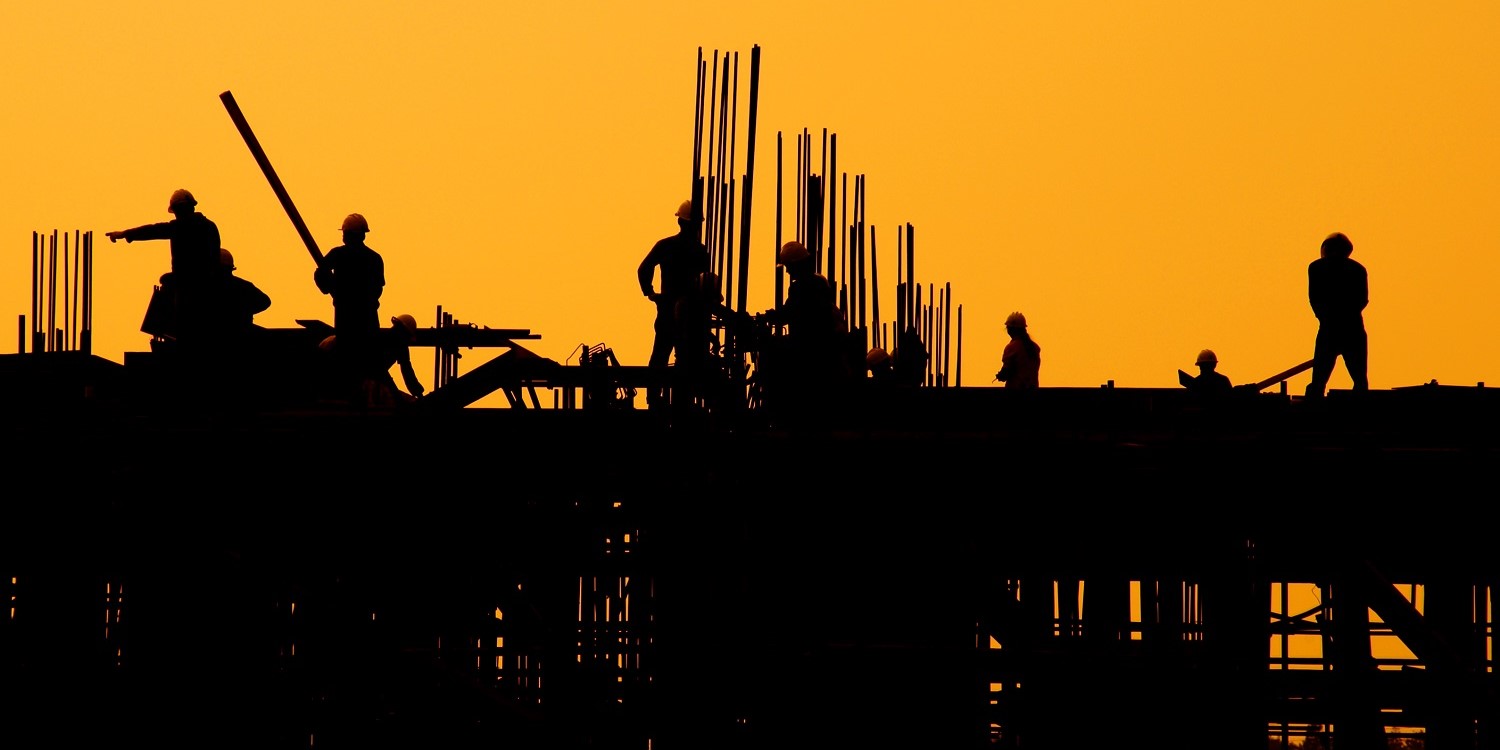
The construction industry serves as the backbone of infrastructure development, shaping the landscapes of cities and communities around the world. From towering skyscrapers to intricate bridges and highways, construction projects epitomize human ingenuity and engineering prowess. In this comprehensive exploration, we delve into the multifaceted world of construction, examining its history, current trends, challenges, and future prospects.
- Evolution of Construction:
- Ancient Beginnings: From the pyramids of Egypt to the Great Wall of China, early civilizations demonstrated remarkable feats of construction using rudimentary tools and techniques.
- Medieval and Renaissance Era: The Middle Ages witnessed the construction of magnificent cathedrals and castles, showcasing advancements in architectural design and engineering.
- Industrial Revolution: The advent of machinery and mass production techniques revolutionized construction, enabling the rapid expansion of cities and infrastructure.
- Modern Era: The 20th century saw unprecedented growth in construction, fueled by technological innovations, urbanization, and globalization.
- Key Components of Construction:
- Design and Planning: The inception of any construction project involves meticulous planning, architectural design, and engineering analysis to ensure feasibility and functionality.
- Materials and Techniques: Construction materials range from traditional materials like concrete, steel, and timber to innovative composites and sustainable alternatives. Techniques vary from traditional brick-and-mortar construction to prefabrication, modularization, and 3D printing.
- Project Management: Effective project management is essential for coordinating resources, schedules, and stakeholders to ensure timely completion within budgetary constraints.
- Safety and Regulations: Construction sites pose inherent risks, necessitating stringent safety protocols and compliance with building codes and regulations to safeguard workers and the public.
- Current Trends in Construction:
- Sustainability: The construction industry is increasingly prioritizing sustainability, incorporating green building practices, renewable energy solutions, and environmentally friendly materials to minimize carbon footprint and promote eco-conscious development.
- Digitalization and BIM: Building Information Modeling (BIM) and digital technologies are revolutionizing construction processes, enabling collaborative design, virtual simulations, and data-driven decision-making throughout the project lifecycle.
- Off-Site Construction: Prefabrication and modular construction techniques are gaining traction for their efficiency, quality control, and reduced environmental impact, offering accelerated project timelines and cost savings.
- Smart Infrastructure: The integration of Internet of Things (IoT), sensors, and automation in construction projects is leading to the development of smart buildings and infrastructure with enhanced efficiency, safety, and functionality.
- Challenges Facing the Construction Industry:
- Labor Shortages: The construction industry faces a shortage of skilled labor due to demographic shifts, changing workforce dynamics, and lack of vocational training programs, posing challenges to project delivery and productivity.
- Cost Overruns and Delays: Construction projects often encounter cost overruns and delays due to unforeseen circumstances, design changes, regulatory hurdles, and supply chain disruptions, impacting profitability and stakeholder confidence.
- Sustainability and Resilience: Balancing economic development with environmental sustainability and resilience remains a complex challenge for the construction industry, requiring innovative solutions and regulatory frameworks to address climate change and resource scarcity.
- Future Prospects and Innovations:
- Advanced Materials: The development of advanced materials such as carbon fiber composites, self-healing concrete, and bio-based polymers holds promise for enhancing structural performance, durability, and sustainability in construction.
- Robotics and Automation: Robotics, drones, and autonomous machinery are poised to revolutionize construction processes, automating repetitive tasks, improving safety, and increasing productivity.
- AI and Predictive Analytics: Artificial intelligence (AI) and predictive analytics are enabling predictive maintenance, risk assessment, and optimization of construction projects, enhancing efficiency and decision-making.
Conclusion:
As we navigate the complexities of the modern world, the construction industry stands at the forefront of innovation and transformation. From ancient marvels to futuristic skyscrapers, the evolution of construction reflects humanity’s enduring quest for progress and excellence. By embracing sustainability, digitalization, and innovation, we have the opportunity to construct a future that is not only technologically advanced but also environmentally responsible and socially inclusive. As we embark on this journey, let us harness the collective wisdom and creativity of the construction industry to build a better world for generations to come.